Introduction
Restaurant digital menu boards are transforming how restaurants display their offerings and communicate with customers. As technology continues to evolve in 2026, more businesses are replacing static signage with digital displays to improve flexibility and efficiency. These systems allow restaurants to update menus, pricing, and promotions in real time while maintaining a consistent visual presentation.
Digital menu boards are now widely used across quick service restaurants, cafés, and full-service dining spaces. They provide a structured way to manage content and ensure accurate communication with customers.
What Are Digital Menu Boards
Digital menu boards are electronic display systems used to showcase menu items, pricing, and promotional content. Unlike printed menus, these displays are powered by software that allows updates without the need for reprinting.
These systems typically include:
- Digital screens
- Content management software
- Media players or cloud-based control systems
Restaurants can manage content across one or multiple locations using centralized platforms. This makes digital menu boards restaurants rely on more adaptable compared to traditional signage.
Why Restaurants Are Adopting Digital Menu Boards in 2026
Restaurants are increasingly adopting digital menu boards due to operational efficiency and ease of updates. As menu changes, seasonal items, and pricing adjustments become more frequent, static menus often fail to keep up.
Digital menu boards allow:
- Instant updates across locations
- Consistent branding
- Reduced dependency on printed materials
In addition, restaurants can align their displays with business hours, promotions, and inventory changes. This makes restaurant digital menu boards a practical solution for modern operations.
Key Features of Restaurant Digital Menu Boards
Content Management Systems
Most digital menu boards use centralized software that allows users to update content remotely. This ensures consistency across multiple screens and locations.
Real-Time Updates
Restaurants can modify pricing, remove unavailable items, or introduce new dishes instantly. This reduces confusion and improves operational accuracy.
Scheduled Content Display
Menus can be scheduled based on time of day. For example, breakfast, lunch, and dinner menus can automatically change without manual intervention.
Visual Customization
Digital menu boards support images, videos, and animations. This allows restaurants to present menu items clearly while maintaining a structured layout.
Types of Digital Menu Boards for Restaurants
Indoor Digital Menu Boards
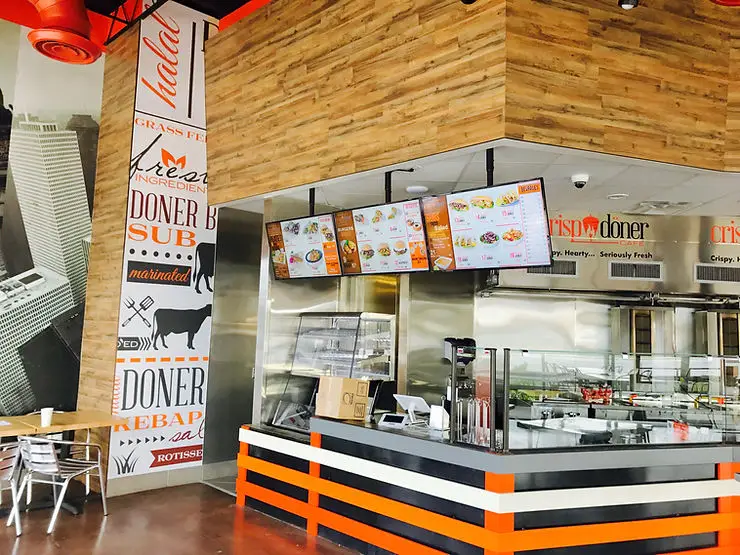
These are commonly used behind counters or inside dining areas. They display menus, combos, and promotions in a controlled environment.
Outdoor Digital Menu Boards
Outdoor displays are used in drive-thru setups. These screens are designed to withstand weather conditions while maintaining visibility.
Drive-Thru Menu Boards
Drive-thru digital boards help streamline ordering by clearly displaying items and pricing. They are often integrated with ordering systems.
Multi-Screen Displays
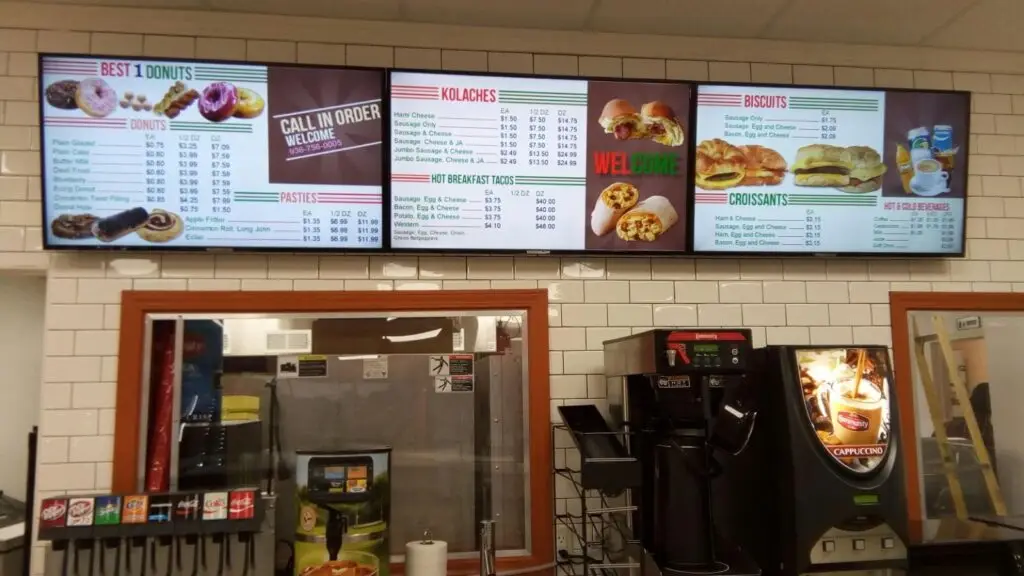
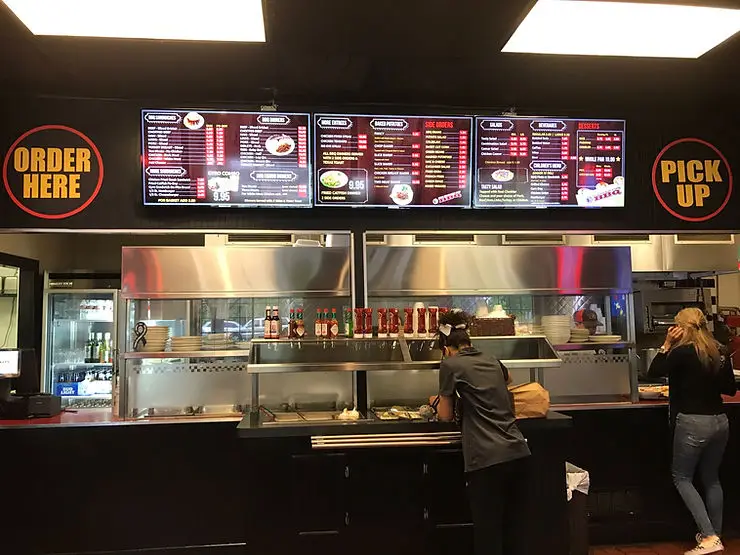
Some restaurants use multiple screens to categorize menu items. This helps in organizing large menus and improving readability.
Benefits of Using Digital Menu Boards
Operational Efficiency
Digital menu boards reduce the need for printed materials. Updates can be made quickly, which saves time and effort.
Consistency Across Locations
For multi-location restaurants, maintaining consistent menus can be challenging. Digital systems ensure uniform content across all branches.
Reduced Errors
Manual updates in printed menus can lead to inconsistencies. Digital boards allow centralized control, reducing the chances of incorrect information.
Adaptability
Restaurants can adjust menus based on availability, demand, or time of day. This flexibility is one of the key reasons digital menu boards restaurants adopt continue to grow.
How Digital Menu Boards Improve Customer Experience
Digital menu boards help customers view menu items clearly. Well-organized displays reduce confusion and improve decision-making.
Customers benefit from:
- Clear pricing and item descriptions
- Structured layouts
- Updated information
Additionally, visual elements such as images can help customers understand menu offerings better. This is particularly useful in quick service environments where decisions are made quickly.
Integration and Content Management
Modern digital menu boards integrate with various systems, including:
- Point of sale systems
- Inventory management tools
- Scheduling platforms
This integration allows restaurants to align menu displays with operational data. For example, items that are out of stock can be removed automatically.
Choosing the Right Digital Menu Board Provider
Selecting the right provider is important for long-term usability and performance. Restaurants should consider the following factors:
Ease of Use
The system should be simple to manage. Staff should be able to update content without technical difficulty.
Scalability
The solution should support expansion across multiple locations if needed.
Display Quality
High-resolution screens improve readability and presentation.
Support and Maintenance
Reliable support ensures that any issues are addressed promptly.
Restaurants evaluating digital menu boards restaurants use should focus on practical functionality rather than unnecessary features.
Practical Implementation Considerations
Before implementing digital menu boards, restaurants should evaluate:
- Available space for displays
- Power and connectivity requirements
- Content structure and layout
- Staff training needs
Proper planning ensures smooth implementation and effective use of the system.
Conclusion
Restaurant digital menu boards have become a practical solution for modern restaurants in 2026. They provide flexibility, improve content management, and support consistent communication with customers.
With solutions offered by Houston Dynamic Displays, restaurants can implement systems that align with their operational needs and content management requirements. For businesses planning to adopt digital menu systems, evaluating the right setup is essential for long-term usability.
For businesses looking to implement structured digital display systems, it is important to evaluate requirements carefully and choose solutions that align with operational needs. For more details or implementation support, contact us today.
FAQ Section
Restaurant digital menu boards are electronic displays used to show menu items, pricing, and promotions in restaurants.
They use software systems that allow restaurants to update content remotely and display it on digital screens.
Yes, they can be used by small and large restaurants depending on the setup and requirements.
Yes, most systems allow remote updates through centralized content management platforms.
Yes, they can manage content across multiple restaurant locations using a single system.