Introduction
Digital menu boards are transforming how restaurants present their offerings, while traditional printed menus have long been the standard. As restaurants continue to modernize operations, choosing between a digital menu board and printed menus becomes an important decision that impacts efficiency, customer experience, and daily operations.
Both options serve the same purpose of displaying menu items and prices. However, the way they function and the value they provide differ significantly. Understanding these differences helps restaurant owners choose a solution that aligns with their operational needs.
What Are Digital Menu Boards
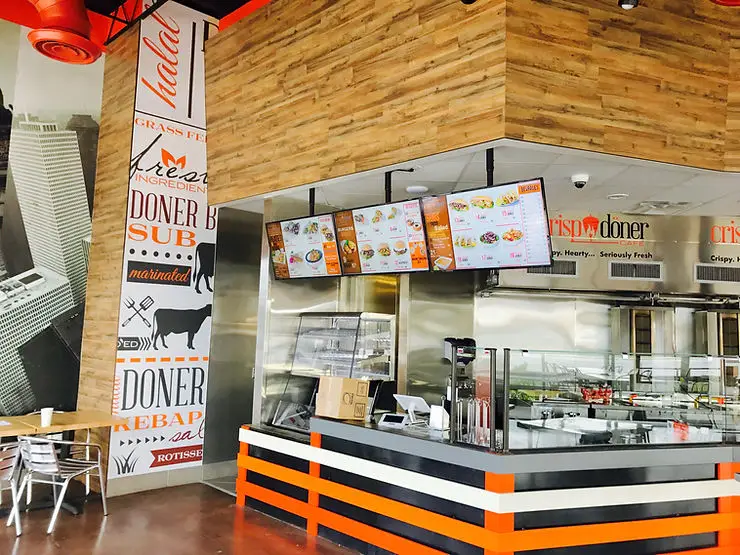
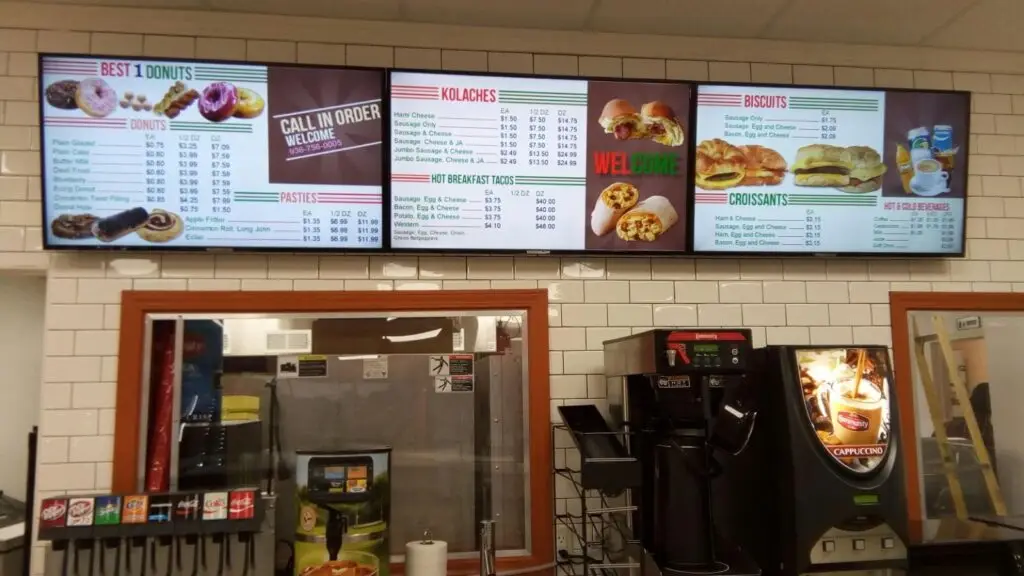
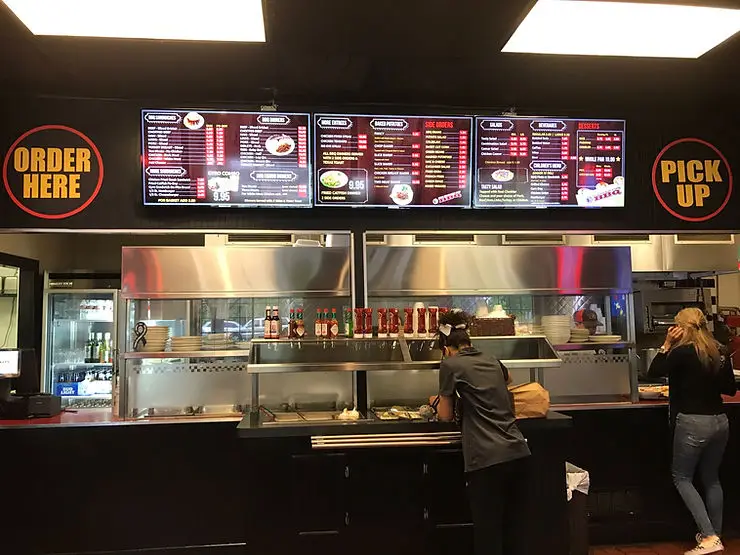
Digital menu boards are electronic displays used to present menu items, pricing, and promotional content. These boards are commonly installed in quick-service restaurants, cafes, and other food service environments where menus need to be updated frequently.
They allow restaurant operators to manage content digitally, making it possible to change menu items, prices, and visuals without reprinting materials.
What Are Traditional Printed Menus
Traditional printed menus are physical materials such as paper menus, boards, or posters that display food and beverage options. They are widely used in restaurants of all types and are typically designed and printed in bulk.
While printed menus are familiar and easy to distribute, they require reprinting whenever there are updates, which can affect both cost and efficiency over time.
Key Differences Between Digital and Printed Menus
Flexibility and Updates
One of the most noticeable differences between digital menu boards restaurants use and printed menus is flexibility. Digital menu boards allow instant updates, which means restaurants can modify prices, add items, or remove unavailable dishes in real time.
In contrast, printed menus require redesigning and reprinting for any change. This process takes time and may lead to outdated information being displayed.
Cost Considerations
Printed menus may appear cost-effective initially. However, repeated printing due to menu changes can increase long-term expenses.
A digital menu board involves an upfront investment in hardware and setup. Over time, the ability to update content digitally can reduce recurring costs associated with printing.
Customer Experience
Digital menu boards restaurants use often display clear visuals and structured layouts, making it easier for customers to read and understand menu options.
Printed menus, while simple, may not always maintain consistency in readability, especially if they become worn or outdated.
Operational Efficiency
Digital menu boards improve operational efficiency by allowing staff to update menus without external dependencies. This is particularly useful during seasonal changes or limited-time offerings.
Printed menus require coordination with design and printing services, which may delay updates and increase workload.
Comparison Table
| Feature | Digital Menu Boards | Printed Menus |
| Updates | Instant and real-time | Requires reprinting |
| Initial Cost | Higher upfront investment | Lower initial cost |
| Long-term Cost | Lower due to no reprinting | Higher due to repeated printing |
| Flexibility | High | Limited |
| Maintenance | Requires technical setup | Minimal |
| Customer Experience | Structured and consistent display | Depends on print quality |
| Content Management | Centralized and digital | Manual updates |
Advantages of Digital Menu Boards for Restaurants
Digital menu boards offer several practical advantages for restaurants aiming to streamline operations:
Centralized Control
Restaurants can manage all menu content from a single system. This reduces the need for manual updates and ensures consistency across locations.
Real-Time Adjustments
Menus can be updated instantly to reflect pricing changes, item availability, or seasonal offerings. This reduces confusion for customers and staff.
Improved Accuracy
Digital updates help ensure that the displayed menu always reflects current offerings, minimizing errors caused by outdated printed materials.
Scalability
As restaurants grow, digital menu boards restaurants adopt can be scaled across multiple locations without the need for repeated printing processes.
Limitations of Printed Menus
While printed menus are still widely used, they come with certain limitations:
- Difficulty in making frequent updates
- Higher long-term costs due to reprinting
- Risk of displaying outdated information
- Limited flexibility in design changes
These factors can affect efficiency, especially in fast-paced restaurant environments.
When Printed Menus May Still Be Useful
Despite the benefits of digital menu boards, printed menus may still be suitable in certain situations:
- Small restaurants with static menus
- Low-frequency menu changes
- Environments with limited access to digital infrastructure
In such cases, printed menus can serve as a practical option without requiring additional setup.
Choosing the Right Solution for Your Restaurant
Selecting between a digital menu board and printed menus depends on several factors:
Type of Restaurant
Quick-service restaurants often benefit from digital menu boards due to frequent updates, while smaller establishments may find printed menus sufficient.
Menu Update Frequency
Restaurants that update menus regularly can benefit from the flexibility of digital menu boards.
Operational Needs
Digital menu boards restaurants use can simplify operations by reducing dependency on external printing services.
Budget Considerations
While digital menu boards require initial investment, they may reduce long-term operational costs.
Conclusion
Both digital menu boards and traditional printed menus have their place in the restaurant industry. However, digital menu boards provided by Houston Dynamic Displays offer greater flexibility, efficiency, and consistency, especially for restaurants that require frequent updates.
Printed menus remain useful in simpler setups, but they may limit adaptability over time. Restaurants evaluating long-term operational efficiency often consider transitioning to digital solutions for better control and scalability.
To explore solutions tailored to your business needs, visit and contact us today.
FAQ Section
Digital menu boards are used to display menu items, prices, and updates in a digital format that can be managed and changed easily.
They require an initial investment, but they can reduce long-term costs associated with printing and updates.
Yes, they allow real-time updates and reduce dependency on manual processes, improving operational efficiency.
Yes, small restaurants can use them, especially if they need flexibility in updating menus.
Accordion Content
Printed menus are still useful in environments where menus do not change frequently or where digital infrastructure is limited.