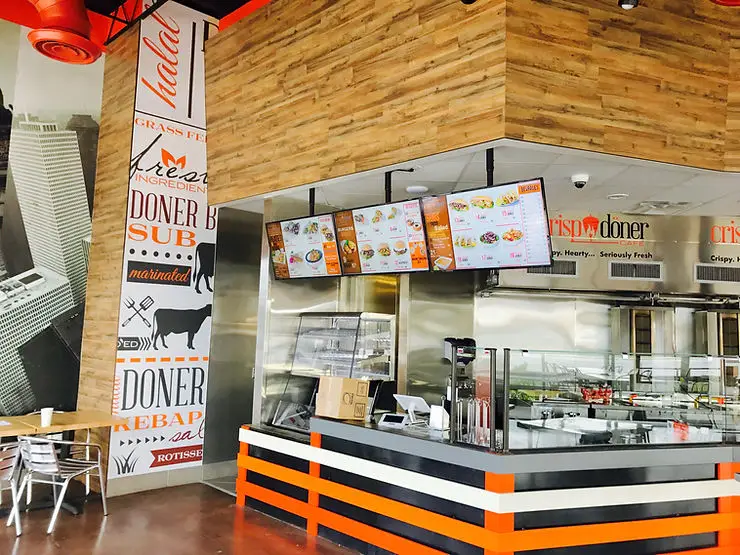
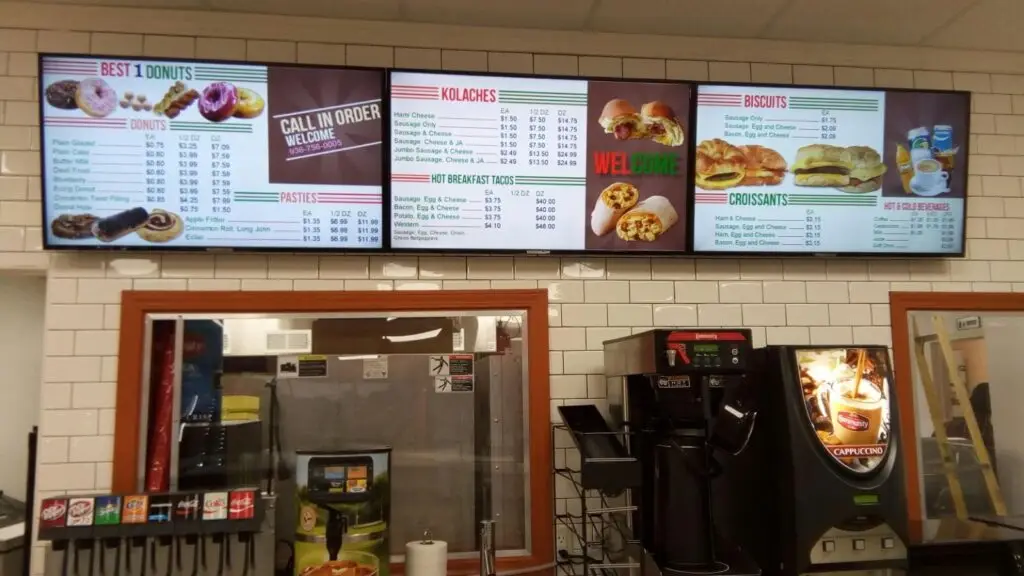
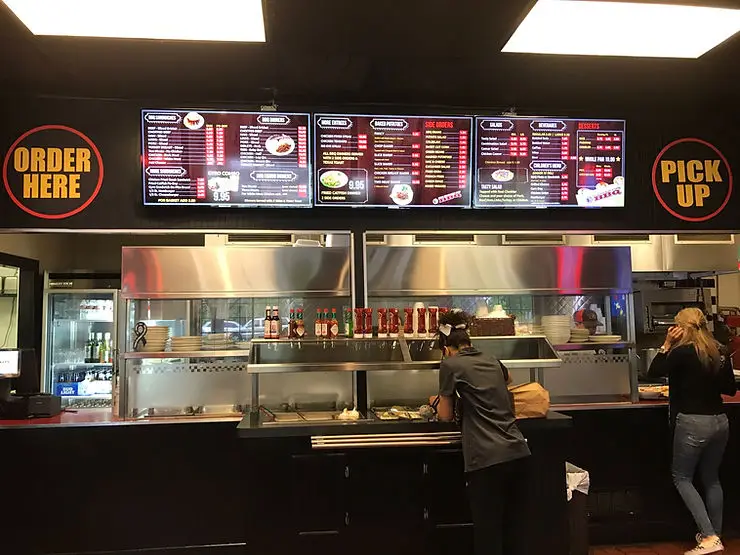
Digital menu boards are transforming how restaurants present their offerings, making it easier to guide customer choices and improve sales through strategic menu engineering. With the help of Digital Signage for Restaurants, businesses can display dynamic, clear, and well-structured menus that influence purchasing decisions without overwhelming customers.
This blog explains how digital menu boards for restaurants can be used effectively for menu engineering and upselling, based on practical applications aligned with real service capabilities.
Understanding Digital Menu Boards in Restaurants
Digital menu boards refer to screen-based displays used to showcase menus, pricing, promotions, and visual content in restaurants. These systems replace static printed menus with dynamic, easily updateable content.
Businesses using solutions benefit from structured menu layouts, real-time updates, and consistent presentation across locations.
Key Functional Features
- Centralized content management
- Easy updates for pricing and items
- Visual display of food items
- Integration with scheduling systems
These features allow restaurants to adjust menu content based on demand, time of day, or promotions.
What Is Menu Engineering?
Menu engineering is the process of analysing and structuring a menu to maximize profitability and customer satisfaction. It involves placing high-margin items strategically, simplifying choices, and improving visibility of key offerings.
Digital menu boards support this process by allowing quick layout changes and visual enhancements.
Core Elements of Menu Engineering
- Item placement
- Pricing strategy
- Visual hierarchy
- Category organization
When applied through digital menu boards for restaurants, these elements become easier to manage and optimize.
What Digital Menu Boards Support Menu Engineering
Digital Signage for Restaurants allows better control over how menu items are presented.
This improves clarity and helps guide customer decisions.
1. Strategic Item Placement
High-margin items can be positioned in areas where customers naturally look first. Digital layouts can be adjusted based on performance data.
2. Visual Highlighting
Images and subtle animations help draw attention to specific items. This improves visibility without overwhelming the display.
3. Dynamic Menu Updates
Menus can be updated instantly based on availability, time, or promotions. This ensures accurate information at all times.
4. Simplified Menu Structure
Too many options can confuse customers. Digital menu boards allow structured categorization, making navigation easier.
Using Digital Menu Boards for Upselling
Upselling is the practice of encouraging customers to purchase additional or higher-value items. Digital menu boards make this process more natural and effective.
1. Highlighting Add-Ons
Extras such as drinks, sides, or upgrades can be displayed alongside main items.
2. Promoting Combos
Combo meals can be visually grouped and presented as value options.
3. Time-Based Promotions
Breakfast, lunch, and dinner menus can be scheduled automatically. This ensures relevant upsell suggestions.
4. Suggestive Visuals
Images help customers visualize combinations, increasing the likelihood of additional purchases.
Practical Use Cases for Restaurants
Digital menu boards for restaurants are used across different formats.
Quick Service Restaurants
- Fast menu updates
- Clear pricing display
- Efficient ordering experience
Cafes and Small Food Businesses
- Rotating specials
- Seasonal menu changes
- Simple visual layouts
Multi-Location Chains
- Consistent branding
- Centralized control
- Scalable updates
Table: Menu Engineering with Digital Menu Boards
Strategy | Traditional Menus | Digital Menu Boards |
Updates | Manual and slow | Instant and centralized |
Item Placement | Fixed layout | Flexible positioning |
Visual Appeal | Limited | High-quality visuals |
Upselling | Text-based | Visual and dynamic |
Customization | Low | High |
Time-Based Changes | Not possible | Automated scheduling |
Best Practices for Effective Implementation
1. Keep Layout Clean
Avoid overcrowding the screen. Use spacing to improve readability.
2. Use Consistent Design
Maintain uniform fonts, colors, and structure across all displays.
3. Prioritize Readability
Ensure text is visible from a distance. Avoid overly complex designs.
4. Update Content Regularly
Keep menus current to reflect availability and pricing.
5. Monitor Performance
Analyze which items perform better and adjust placement accordingly.
Common Mistakes to Avoid
1. Overloading Information
Too much content reduces clarity and slows decision-making.
2. Ignoring Visual Balance
Poor layout design can make menus difficult to read.
3. Infrequent Updates
Outdated menus reduce trust and accuracy.
4. Lack of Strategy
Without menu engineering principles, digital boards lose effectiveness.
Role of Digital Signage in Customer Experience
Digital Signage for Restaurants improves overall customer experience by:
- Reducing wait time confusion
- Providing clear menu navigation
- Enhancing visual appeal
- Supporting faster decision-making
This leads to smoother operations and improved service flow.
When Should Restaurants Use Digital Menu Boards?
Restaurants can benefit from digital menu boards in the following situations:
- Frequent menu changes
- Multiple locations
- Need for visual presentation
- High customer volume
In such cases, digital systems provide better flexibility and control.
Conclusion
Digital menu boards provide a structured and flexible way to improve menu engineering and upselling in restaurants. By focusing on layout, visual clarity, and strategic placement, businesses can present their offerings more effectively.
When implemented correctly, Digital Signage for Restaurants supports better decisionmaking for customers while simplifying menu management for businesses. For restaurants looking to improve how menus are displayed and managed, digital solutions offer a practical and scalable approach. For more information or assistance, visit and contact us today.
FAQ Section
Digital menu boards are used to display menu items, pricing, and promotions in a clear and visually structured format using screen-based systems.
They highlight add-ons, combos, and featured items visually, making it easier for customers to choose higher-value options.
Yes, they are useful for small restaurants, especially those that frequently update menus or offer daily specials.
Digital signage improves communication, enhances menu visibility, and supports better customer experience.
Yes, they allow real-time updates, making it simple to change menu items, pricing, or promotions.