Introduction
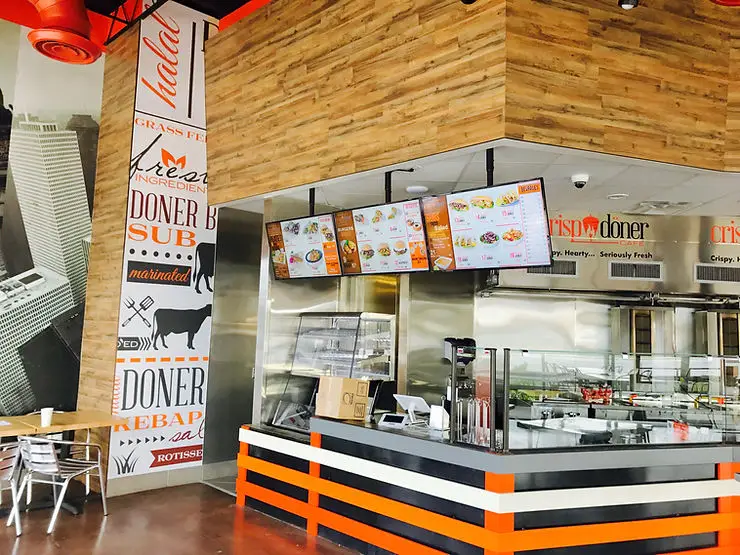
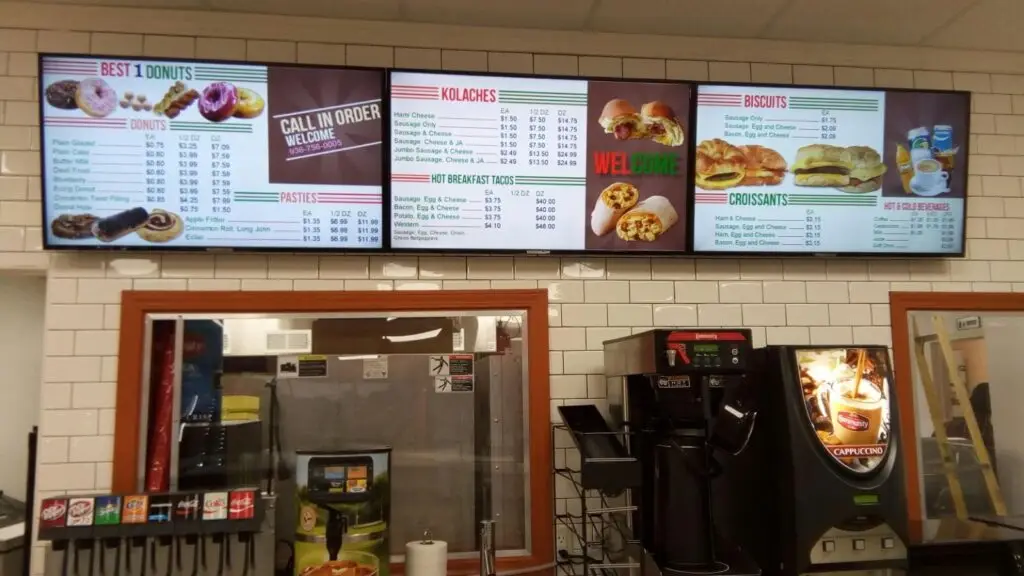
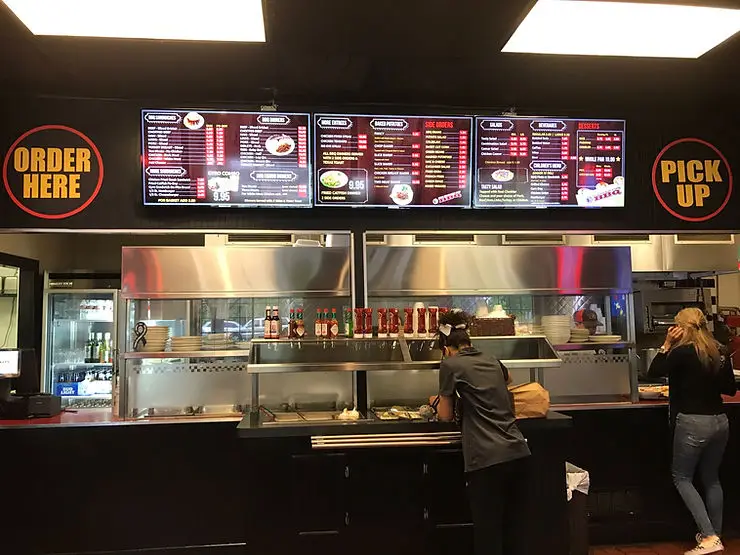
A digital menu board for restaurant environments is becoming a practical tool for improving how customers interact with menus and make ordering decisions. Restaurants are continuously looking for ways to present their offerings clearly while maintaining efficiency. Digital displays provide a structured and flexible way to achieve this.
As customer expectations evolve, traditional printed menus often fall short in terms of visibility, adaptability, and engagement. In contrast, restaurant digital menu boards offer a more dynamic and user-friendly experience that aligns with modern dining environments.
What is a Digital Menu Board
A digital menu board is a screen-based display used to present menu items, pricing, and visuals in restaurants. Unlike static menus, these boards allow content updates without reprinting, making them a practical solution for daily operations.
Solutions like those offered by digital menu board for restaurant systems focus on structured content display, clarity, and ease of updates. These systems are commonly installed in quick-service restaurants, cafes, and food chains.
Why Customer Engagement Matters in Restaurants
Customer engagement directly impacts how customers interact with a restaurant’s offerings. It influences:
- Decision-making speed
- Order accuracy
- Overall dining experience
When menus are easy to read and visually organized, customers can quickly understand their options. This reduces confusion and improves satisfaction. Therefore, the way information is presented plays a critical role.
How Digital Menu Boards Improve Customer Engagement
1. Better Visual Presentation
Digital menu boards present items with clear layouts and structured formatting. This helps customers scan options quickly. Additionally, visuals such as images or highlighted sections guide attention effectively.
2. Faster Decision-Making
Customers often spend less time deciding when menus are easy to read. Digital boards reduce clutter and organize content logically. As a result, queues move faster, especially in high-traffic environments.
3. Real-Time Updates
One of the key advantages is the ability to update content instantly. Restaurants can adjust:
- Prices
- Availability
- Daily specials
This ensures customers always see accurate information.
4. Consistent Branding
Digital boards maintain consistent design across locations. This supports a uniform customer experience and reinforces brand identity.
Improved Readability
Unlike printed menus that may fade or become outdated, digital displays maintain clarity. Bright screens and proper contrast improve visibility in different lighting conditions.
Features That Support Engagement
1. Structured Layouts
Menus are divided into sections such as beverages, meals, and combos. This helps customers navigate easily.
2. Highlighting Options
Restaurants can emphasize specific items, such as new additions or popular choices. This naturally guides customer attention.
3. Flexible Content Management
Digital systems allow scheduled updates. For example, breakfast menus can automatically switch to lunch menus.
4. Integration with Restaurant Operations
Some systems integrate with ordering workflows, ensuring consistency between displayed items and actual availability.
Comparison Table: Traditional vs Digital Menu Boards
Feature | Traditional Menu Boards | Digital Menu Boards |
Content Updates | Manual reprinting required | Instant updates |
Visual Clarity | Limited | High clarity with structured display |
Flexibility | Fixed content | Dynamic and adjustable |
Maintenance | Physical wear and tear | Minimal physical maintenance |
Customer Engagement | Basic | Improved through layout and visuals |
Practical Use in Restaurants
Restaurants use digital menu boards restaurants systems in various ways:
1. Quick-Service Restaurants
These locations benefit from faster ordering processes. Clear displays reduce delays and improve efficiency.
2. Cafes and Coffee Shops
Menus often change frequently. Digital boards allow easy updates without operational disruption.
3. Multi-Location Chains
Consistency across branches is easier to maintain with centralized control.
Implementation Considerations
1. Screen Placement
Proper placement ensures visibility from different angles. Screens should be positioned at eye level.
2. Content Design
Menus should avoid overcrowding. Simple layouts improve readability and usability.
3. Regular Updates
Keeping content current ensures accuracy and avoids confusion.
4. Staff Training
Employees should understand how to manage and update the system when needed.
Role of Technology Providers
Companies like Houston Dynamic Displays provide solutions tailored for restaurant environments. Their offerings focus on structured display systems that help restaurants manage menu content efficiently.
These solutions are designed to align with operational needs rather than adding unnecessary complexity.
Benefits Without Overstating Claims
It is important to note that digital menu boards do not automatically guarantee increased sales or customer retention. However, they do support:
- Better menu presentation
- Clear communication
- Improved operational efficiency
These factors contribute to a more streamlined customer experience.
Conclusion
A digital menu board for restaurant settings provides a practical way to improve how menus are presented and understood. By focusing on clarity, flexibility, and structured content, restaurants can create a smoother ordering experience for customers.
While the technology itself is straightforward, its impact depends on proper implementation and consistent use. Restaurants that adopt digital menu boards can benefit from improved communication and better engagement without relying on complex systems.
For more information or to explore suitable solutions, you can contact us today.
FAQ Section
A digital menu board is a screen that displays menu items, prices, and visuals in a structured and easily updateable format.
Yes, they can be used in small restaurants as they simplify menu updates and improve visibility.
Content can be updated as frequently as needed, depending on operational requirements.
Not always. Some restaurants use both, depending on their setup and customer preferences.
Most systems are designed to be user-friendly and require minimal training for basic updates.