In the fast-paced world of dining, first impressions are crucial, and digital menu boards play a pivotal role in shaping those impressions. These boards are not just functional; they are a vital aspect of the restaurant experience, capturing the attention of customers and simplifying the decision-making process. In this blog post, we’ll explore the significance of digital menu board designs and how they can elevate the dining experience while contributing to a restaurant’s success.
The Role of Digital Menu Boards in Today’s Restaurants
Digital menu boards play a significant role in today’s restaurant landscape by providing a dynamic platform for showcasing offerings. They allow restaurants to easily change items, prices, and promotions, reflecting real-time changes in inventory and customer preferences.
As diners grow more accustomed to technology in their everyday lives, the expectation for restaurants to modernize their display methods rises. Digital menu boards cater to this desire, presenting menu items in an engaging manner. By utilizing high-definition graphics and animations, restaurants can instantly capture the attention of passersby, enticing them to step inside. Not only do these boards serve as a means of communication, but they also act as a marketing tool, compelling customers to explore more of what is offered beyond just food.
Moreover, the flexibility of these boards cannot be overstated. For instance, a busy restaurant can alter its menu listings in mere moments, allowing for swift adaptation to fluctuating customer demands or seasonal offerings. The ability to rotate featured items, highlight specials, or promote limited-time offers enhances visibility and can lead to increased sales. This adaptability encourages creativity in marketing strategies, turning digital menu boards into a canvas for a restaurant’s evolving identity.
Enhancing Customer Experience Through Design
A well-designed digital menu board can significantly enhance the customer experience. With clear visuals, engaging content, and organized layouts, customers can quickly navigate options, making their dining choices easier and more enjoyable.
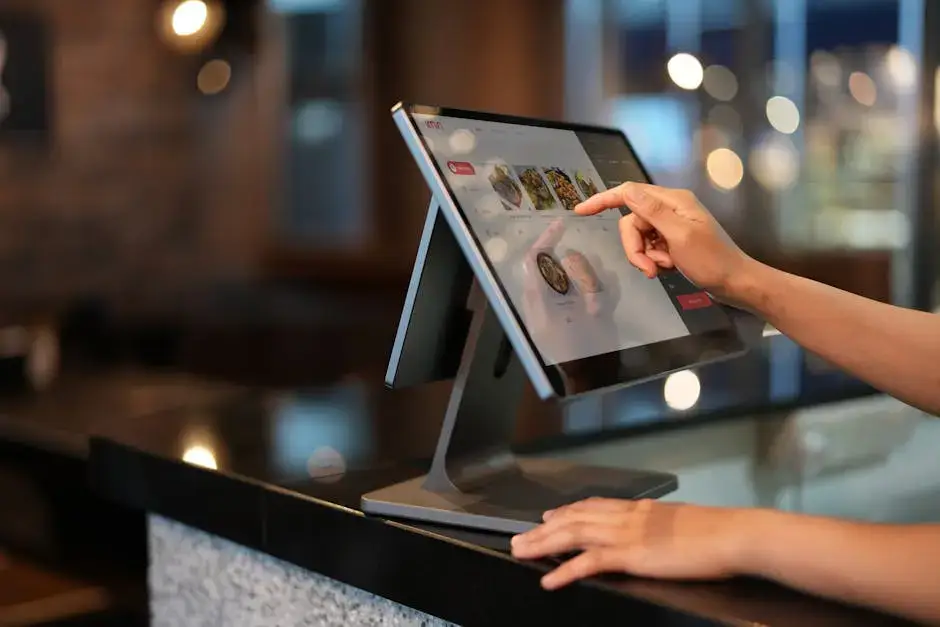
Consider the impact of user-friendly design elements. Properly placed categories and enticing images facilitate quicker decisions, minimizing wait times and enhancing satisfaction. When customers don’t feel rushed, they are more likely to enjoy their meal and the dining atmosphere. Additionally, incorporating interactive elements, such as touchscreens, allows for personalization and, often, recommendations based on patrons’ previous selections, fostering a deeper connection with the dining experience.
Furthermore, digital menu boards can tell a restaurant’s story. By integrating branding elements or showcasing the origin of ingredients, establishments can create a narrative that resonates with their clientele. This storytelling aspect adds a layer of depth to simple menu listings, elevating what might otherwise be just a list of prices and dishes into an engaging and informative experience that keeps customers coming back while forging loyalty.
The Importance of Visual Appeal
Visual appeal is essential in attracting customers and holding their attention. Digital menu boards that incorporate vibrant images and appealing fonts can entice customers, encouraging them to try new items and spend more.
In a world where the average consumer is bombarded with options, standing out is imperative. The use of colorful visuals, high-quality images, or even videos of dishes being prepared can activate a customer’s senses before they even enter the restaurant. This vivid presentation not only sparks curiosity but also influences the customer’s decision-making process, prompting them to choose that tempting dessert or discovering a flavor profile they didn’t know they loved.
Moreover, the choice of fonts and colors plays a crucial role in setting a restaurant’s tone and identity. Cozy cafes may opt for soft pastel colors and rustic font styles that evoke a warm, inviting feeling, while upscale dining establishments might choose a more sleek and modern aesthetic to convey sophistication. These visual elements, when harmoniously integrated, create a cohesive look that can enhance the overall dining atmosphere, encouraging customers to enjoy their meals in an environment that reflects the establishment’s brand.
Integrating Technology for Menu Management
The integration of technology in digital menu boards allows for easy management of content, enabling restaurants to update menus instantly. This flexibility is crucial for adjusting to trends, seasonal items, and marketing promotions efficiently.
Imagine a pizza shop introducing a new artisanal pie. With traditional menu boards, it could take time and resources to create and display a new sign. However, with digital menu boards, simple software adjustments can make that new pizza visible to customers in real-time, promoting it seamlessly alongside existing favorites. This dynamic capability not only saves time but also enhances operational efficiency, as restaurants can respond immediately to stock changes or customer feedback.
It’s also worth noting the value of integration with inventory management systems. Real-time data collection allows restaurateurs to monitor stock levels more accurately, minimizing instances where customers order items that are out of stock. This alignment can significantly improve the dining experience, as guests feel valued when their preferences are honored. Ultimately, technology plays a vital role not just in management but in fostering a relationship built on trust between the restaurant and its customers.
Cost-Effectiveness and Efficiency
While the initial investment may seem high, digital menu boards can be cost-effective in the long run. They eliminate the need for printed materials, reduce waste, and allow for quick updates, all contributing to improved efficiency in restaurant operations.
Consider the long-term benefits of removing the reliance on printed menus. Not only does it cut costs related to printing, but it also allows for more environmentally friendly practices, which are increasingly valued by customers today. By adopting digital boards, restaurants can proactively participate in sustainability efforts, enhancing their public image and appealing to eco-conscious diners.
Furthermore, the ability to track customer preferences and sales data through digital menu boards can inform more strategic business decisions. By analyzing which items are popular and adjusting accordingly, restaurants can optimize their offerings, leading to better sales results. Efficient operations paired with customer satisfaction creates a winning formula for restaurants looking to thrive in a competitive market.
The Future of Menu Board Designs
At the end of the day, digital menu board designs are more than a trend; they are a necessary tool for modern restaurants. By investing in thoughtful design that enhances customer engagement and streamlines operations, restaurants can create a welcoming atmosphere that encourages guests to return. As the dining world continues to evolve, embracing creative and functional menu display solutions will remain a key strategy for success.