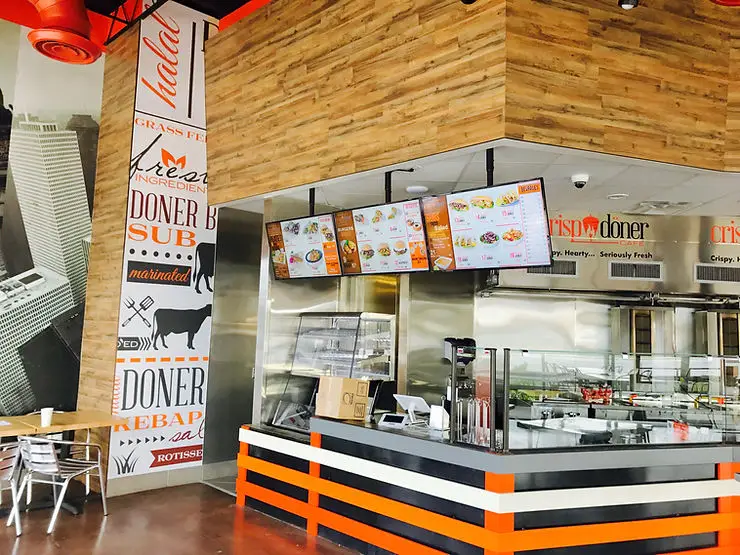
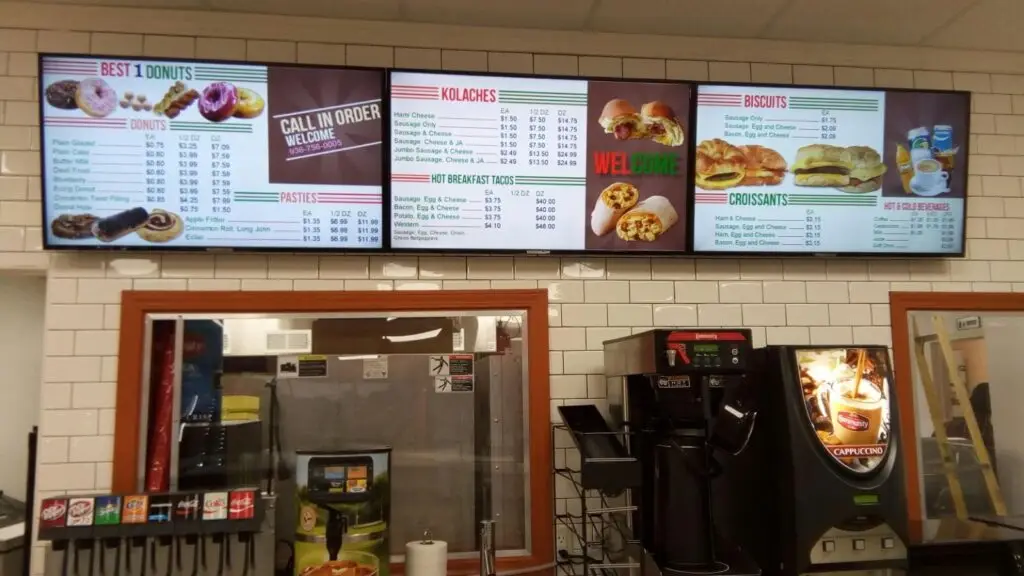
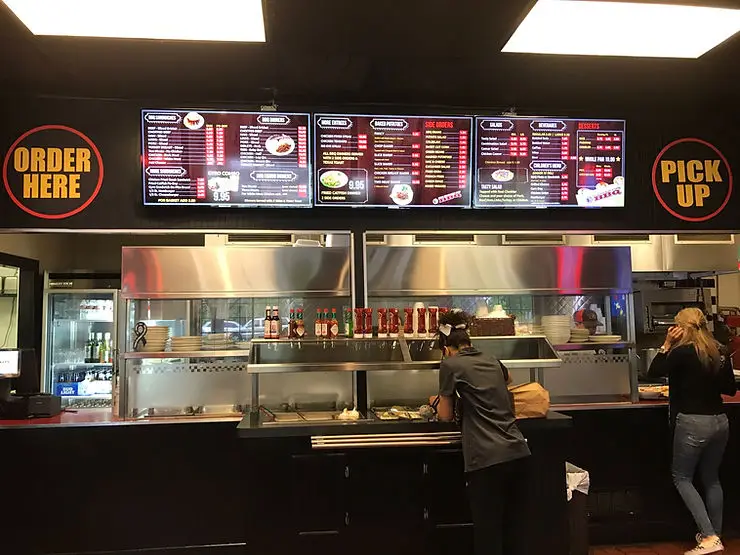
In today’s fast-paced dining scene, keeping up with technology can give your restaurant a significant edge. One such innovation is the digital menu, which is transforming the way restaurants operate. In this FAQ, we’ll explore the numerous benefits of using a digital menu and how it can enhance your restaurant’s efficiency, customer experience, and overall success.
Benefits of Enhanced Customer Experience
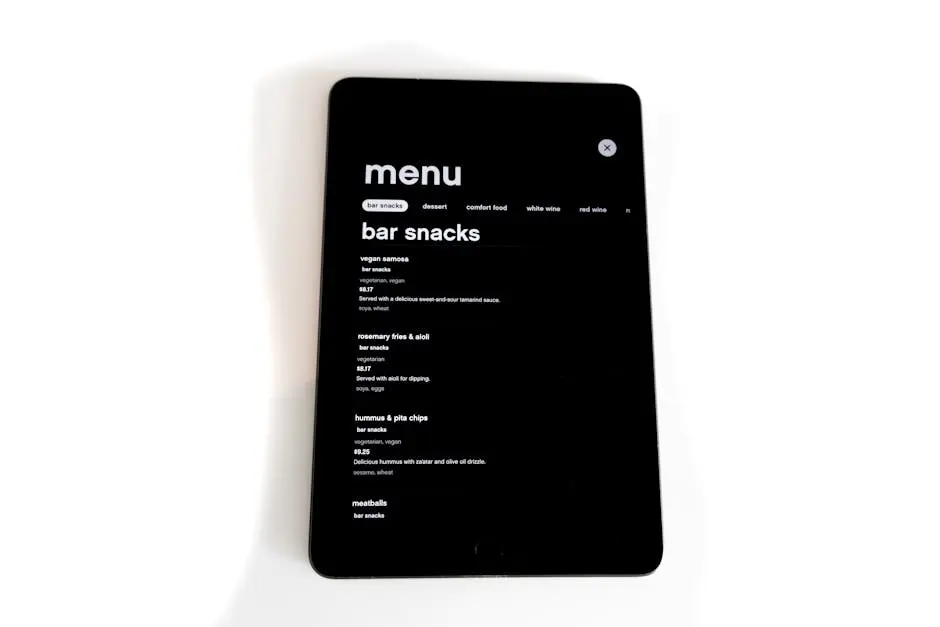
Digital menus allow customers to browse offerings at their own pace and can include vibrant images, descriptions, and allergen information, making the dining experience more enjoyable.
Imagine sitting down at a restaurant and having an interactive experience right at your fingertips. You can explore each dish, view its ingredients, and get a sense of its presentation through stunning visuals. This not only piques customers’ interest but also reduces the chances of misunderstandings regarding what is being ordered.
Moreover, the accessibility features in digital menus can greatly enhance the experience for patrons with dietary restrictions. By offering customizable options and detailed ingredient lists, digital menus cater to everyone, allowing for a more inclusive dining environment.
Finally, many digital menu systems also include language options. This inclusivity can make all diners feel welcome, ultimately enhancing their dining experience.
Streamlined Ordering Process
With digital menus, the ordering process becomes faster and error-free, reducing wait times and improving customer satisfaction.
Traditional handwritten orders can often lead to mistakes, whether it’s a miscommunication with the server or a simple typo. Digital menus eliminate this issue by allowing customers to place their orders directly. This minimizes the risk of errors and enhances service efficiency.
Additionally, integrations with payment systems allow for a swift checkout process. Guests can view their total and pay directly through their devices, making the entire dining experience smoother and more modern.
This speed appeals to customers who may be in a hurry, such as during lunch hours, and it delivers a seamless experience that keeps patrons returning.
Easy Updates and Changes
A digital menu makes it simple to update prices, add new items, or make seasonal changes without the need for printing new menus.
In the restaurant industry, flexibility is vital. Seasonal ingredients often inspire new dishes, and digital menus allow quick adjustments to showcase these culinary innovations without the hassle of reprinting physical menus. This agility helps restaurants stay relevant and appealing to returning customers.
Moreover, during times of market fluctuation, the ability to adjust pricing can help businesses remain competitive without losing revenue. When changing prices can be done in a matter of clicks, you can respond swiftly to the market’s needs.
Cost-Effectiveness Over Time
Although there may be an initial investment, digital menus can save money in the long run by reducing printing costs and allowing timely menu adjustments.
While the upfront cost of implementing a digital menu may seem daunting, the reality is that over time, it can yield substantial savings. Consider how often traditional menus need to be reprinted due to price changes or seasonal updates—these costs add up quickly.
Furthermore, integrating digital menus with inventory systems can provide insights that reduce food waste. By monitoring what dishes are ordering most frequently, you can adjust ingredient orders accordingly, cutting further costs.
Ultimately, the investment in digital menus can demonstrate considerable ROI, ultimately making it a wise financial decision for forward-thinking restaurateurs.
Improved Data Collection and Insights
Digital menus can track customer preferences and ordering patterns, providing valuable insights that can help in menu optimization and marketing strategies.
The power of data in today’s world cannot be overstated. With every order placed through a digital menu, restaurants can collect valuable data about what items are popular and when peak times occur. This intelligence allows for informed decisions about menu offerings and marketing strategies.
Looking at trends over time also enables restaurants to create targeted promotions or highlight dishes that may need a little extra boost. For instance, if a particular item is underperforming, you might decide to feature it with a discount or highlight its uniqueness to increase awareness.
In this way, a digital menu doesn’t just serve as a list of options; it becomes a vital tool for growth and adaptation in a changing market.
Final Thoughts on Digital Menus
Incorporating a digital menu into your restaurant not only streamlines operations but also enhances customer satisfaction. By embracing this technology, you can attract more customers and stand out in a competitive market.